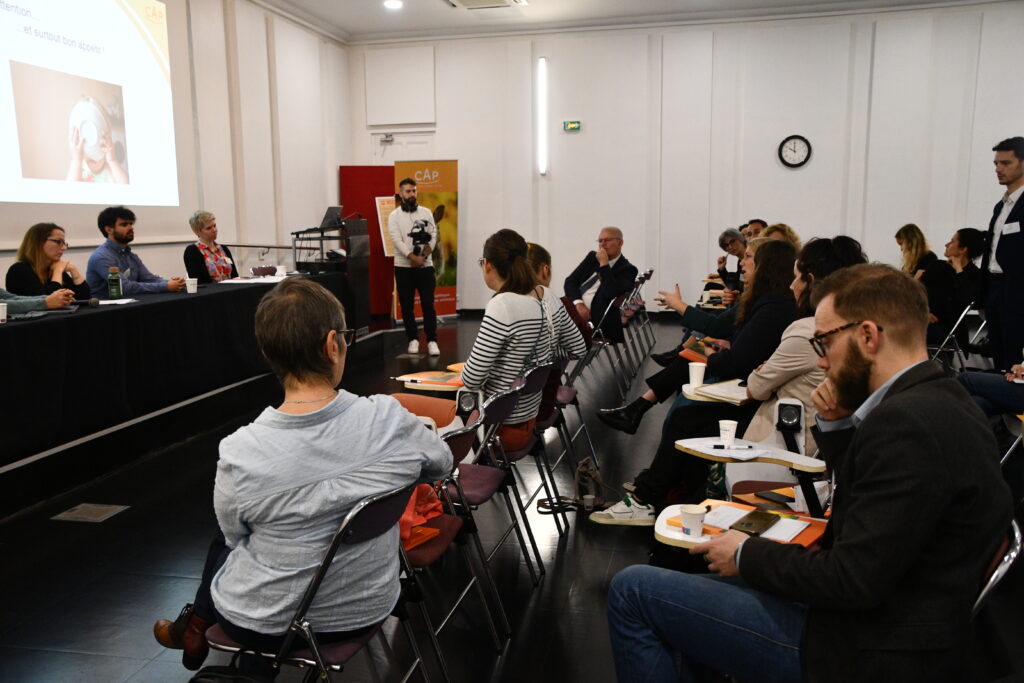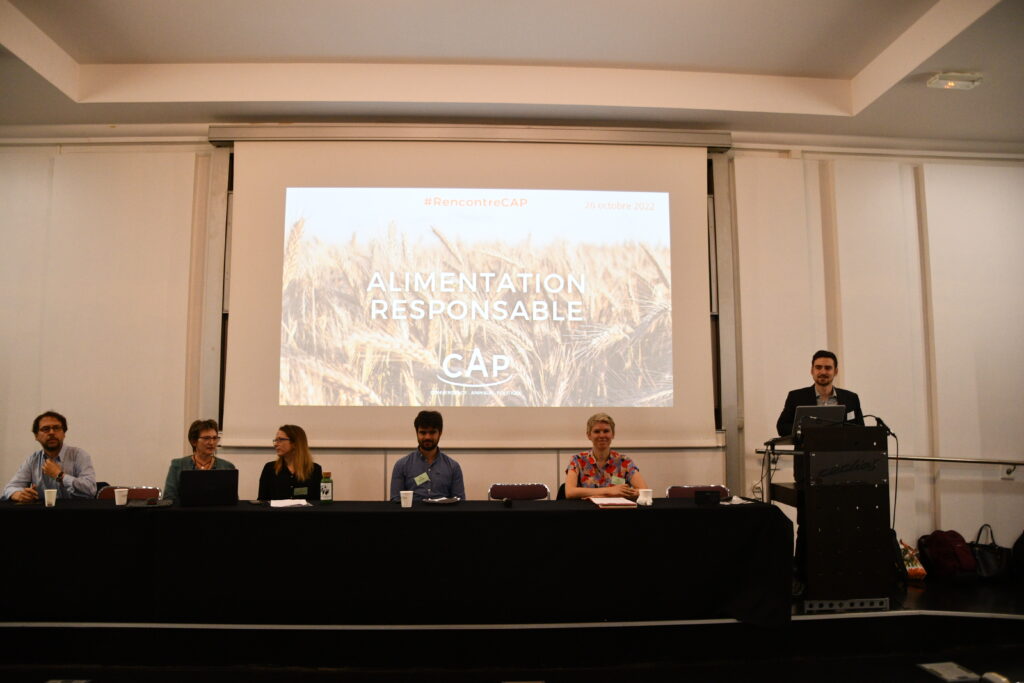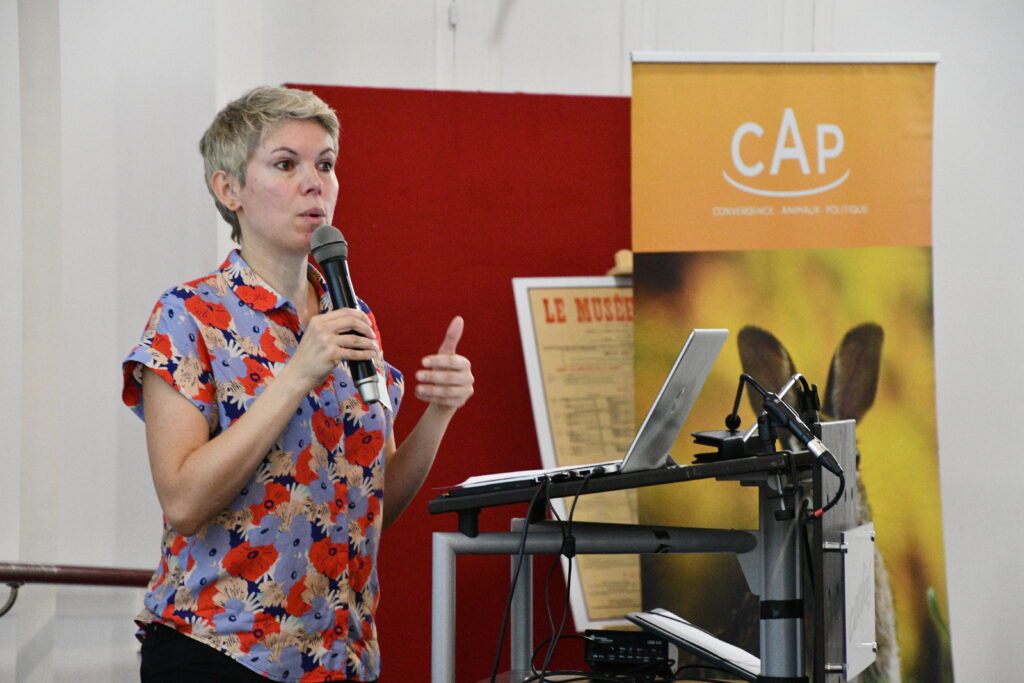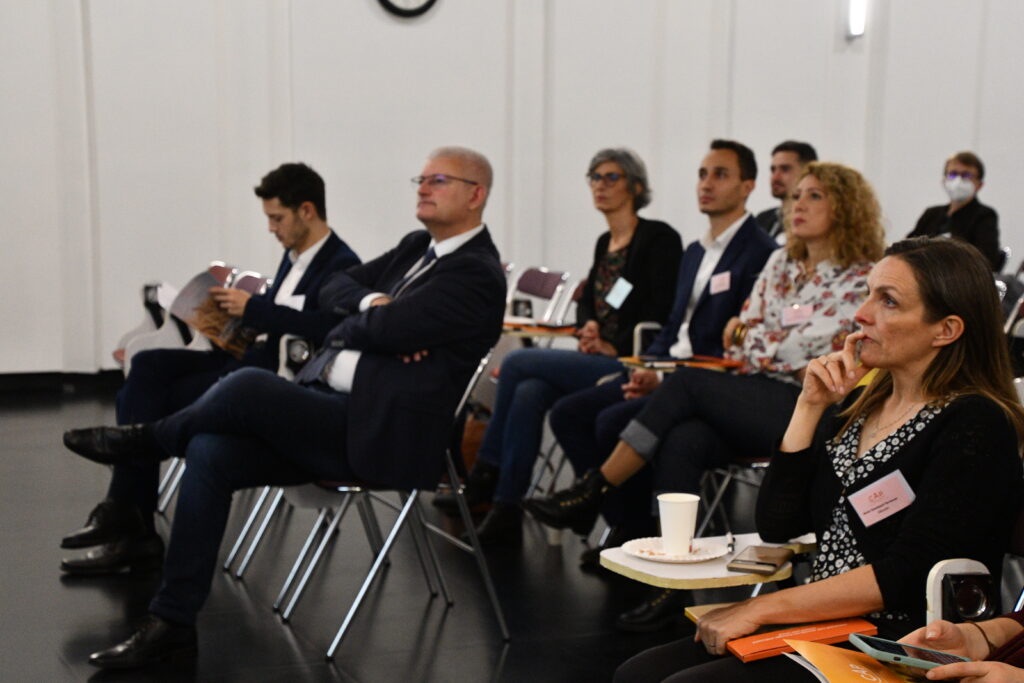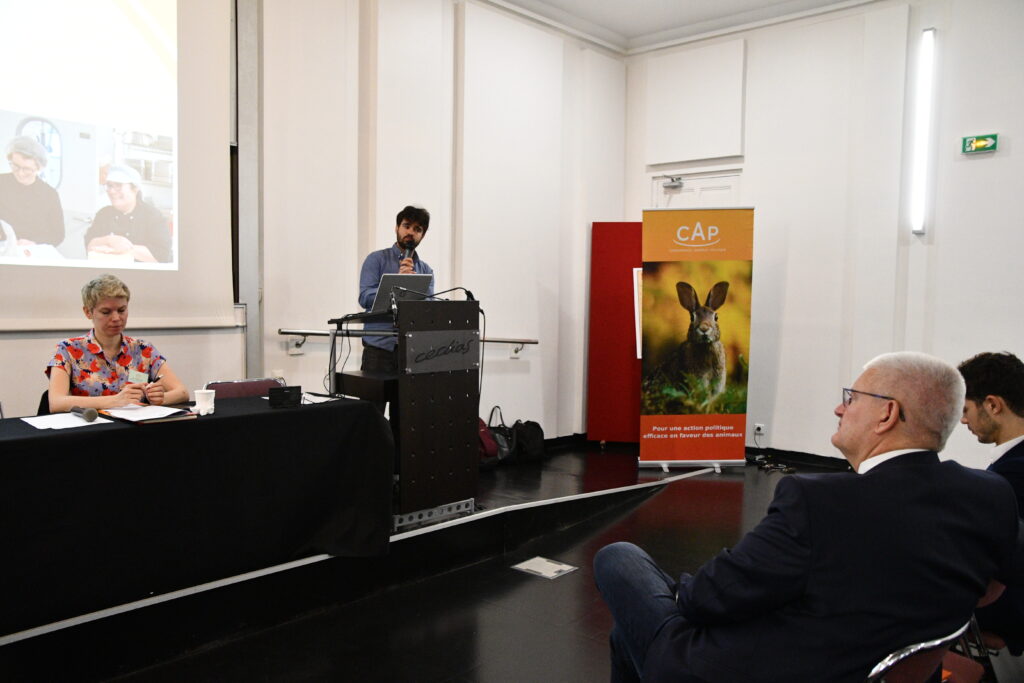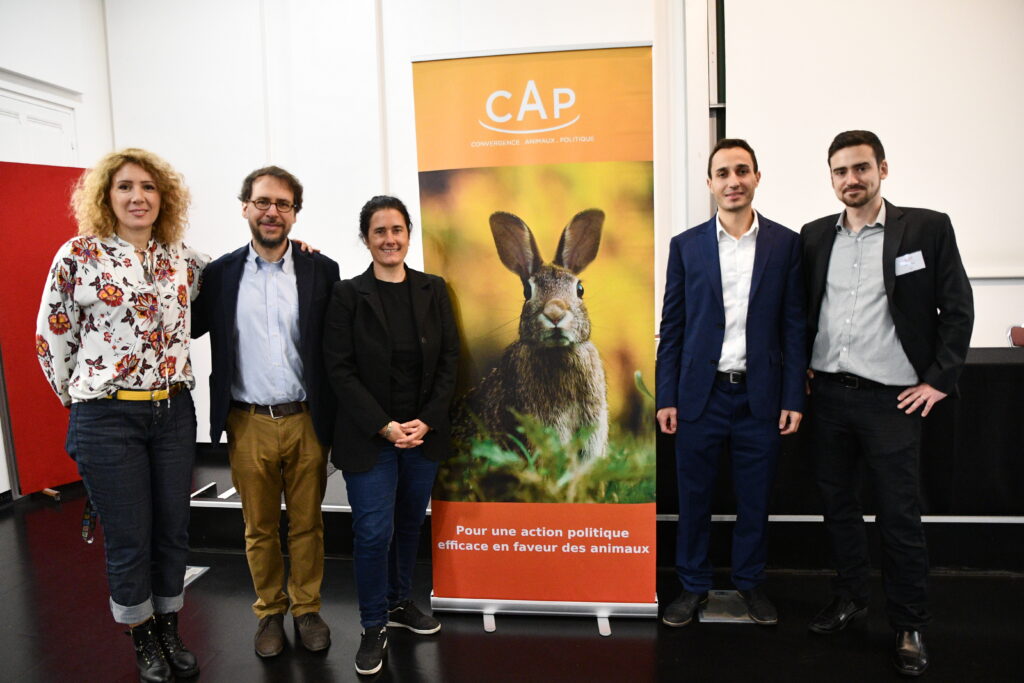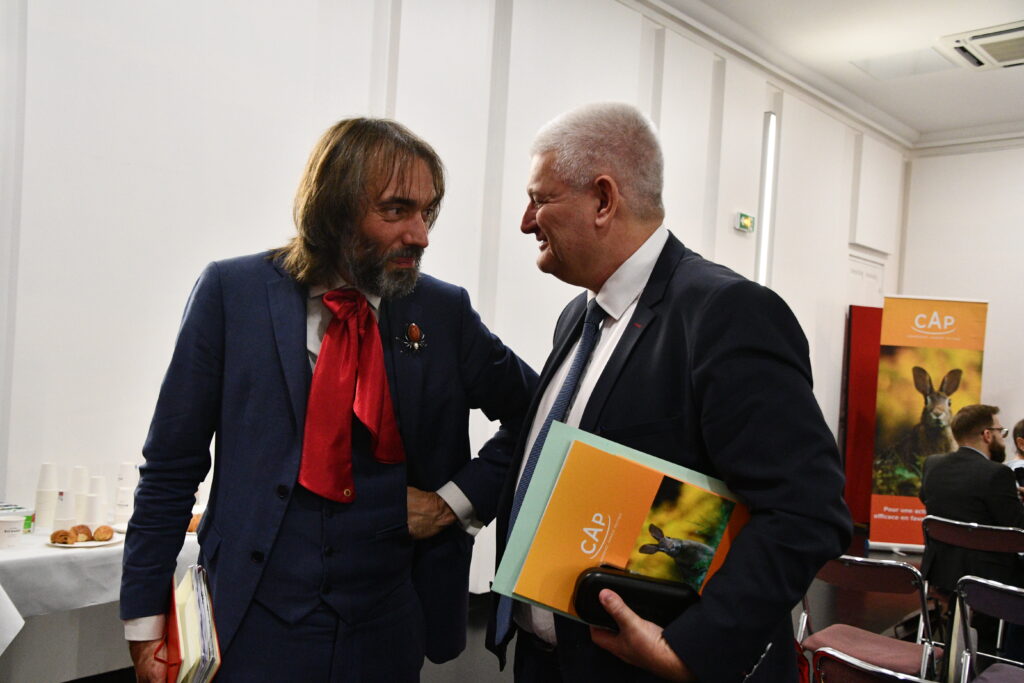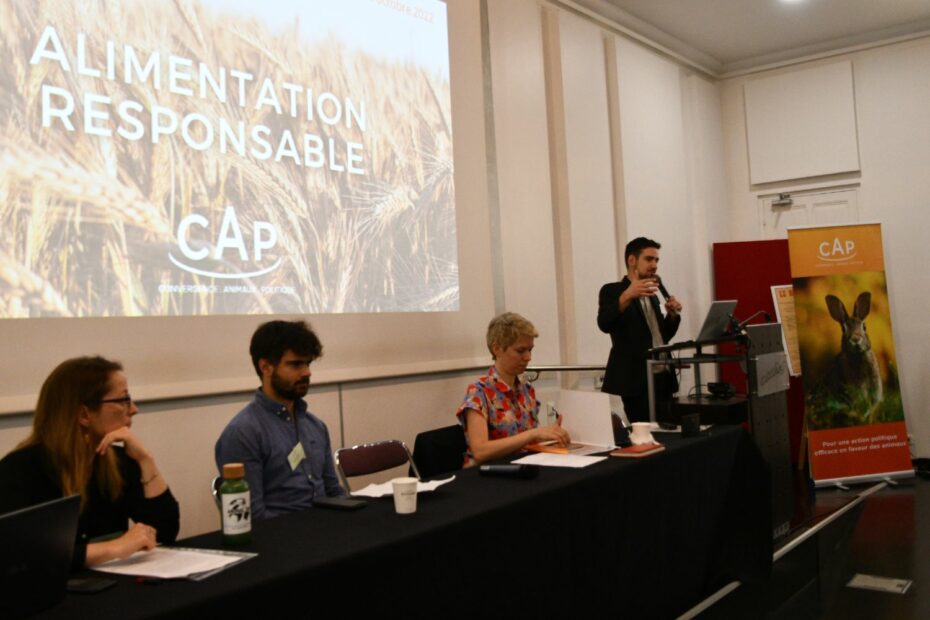
In October 2022, Convergence Animaux Politique brought together around thirty policymakers and NGOs to promote the plant-based transition in France.
Institutional catering, education, and training: the speakers enabled policymakers to identify effective policy levers to support the transition toward a sustainable food system.
Among those present and represented were Members of Parliament Olivier Falorni, Danielle Simonnet, Sandrine Rousseau, Aymeric Caron, Bastien Lachaud, Anne Stambach-Terrenoir, Marie-Charlotte Garin, Ersilia Soudais, Eléonore Caroit; Senator Arnaud Bazin; Senator Brigitte Devésa; as well as local elected officials from Paris, Ivry, Montpellier, Montreuil, and Grenoble.
Watch the event recap video below, including testimonials from participants, followed by the summary of the NGOs’ presentations.
1) Public catering: a key lever for plant-based transition
Summary of the presentation by Élodie Vieille-Blanchard, President of the Vegetarian Association of France.
The current agri-food model has harmful impacts on the environment, biodiversity, and public health. It is therefore urgent to adopt a responsible diet, prioritizing plant-based solutions to effectively reduce environmental footprints.
Public catering can accelerate this transition thanks to the number of meals served (3 billion per year), its educational reach, and the involvement of public services.
The EGAlim law (2019) and the Climate and Resilience law (2021) first introduced a mandatory weekly plant-based option, followed by a daily plant-based option (experimental measure) in school cafeterias. However, these measures are still too often misunderstood, poorly implemented, or ignored on the ground.
2) A daily plant-based option in schools cafeteria
Summary of the presentation by Keyvan Mostafavi, Campaign and advocacy manager of Assiettes Végétales.
Increasing the frequency of plant-based meals is the most effective way to reduce the carbon footprint of public catering while ensuring balanced nutritional meals. Scientific authorities support the development of plant-based meals in school cafeterias (see reports from ANSES and INRAE).
On the ground, the weekly plant-based option is well received: 20% of middle school students and 27% of high school students choose the plant-based menu (see the March 2021 report by CGAAER).
Among other observed benefits, cooked plant-based meals, which are less expensive for public institutions, encourage home-style cooking, reducing the public cost.
3) Education and sustainable food: essential scientific and ethical benchmarks
Summary of the presentation by Marie-Laure Laprade and Anne-Laure Meynckens, President and Vice-President of the association Education Ethique Animale.
Food is an integral part of school curricula and Education for Sustainable Development. For this reason, it is necessary to:
- Take into account the latest scientific data to update educational materials, like the food pyramid.
- Strengthen training for all education stakeholders (teachers, supervisory staff, administrative and technical personnel, etc.) through two key levers: regional training plans and local authorities, which often rely on external partners.
- End the involvement of private interest groups in schools, as reported by the Inspectorate General of National Education, like Interbev, Danone, Fleury Michon.
Several media outlets have recently covered these issues.
4) Example from the 11th arrondissement of Paris City Hall
Summary of the presentation by Grégory Moreau, Deputy Mayor of the 11th arrondissement of Paris, in charge of sustainable food, animal welfare, and cleanliness
An experiment introducing a daily plant-based option was recently launched in five schools in the 11th arrondissement. This provided an opportunity to gather initial on-the-ground feedback on its implementation.
Survey results from families show that 88% support a weekly plant-based option, and one in two families supports a daily plant-based option.
Plant-based meals are developed by a nutritionist, in close coordination with head chefs, and are continuously refined through an iterative approach. Overall, most of the dishes tested have been a success.
Among the expected benefits:
- A secular meal option suitable for everyone, providing an additional motivation for public school cafeterias.
- Reduced food waste, mainly related to meat and fish (ADEME, 2018, based on 850 institutional catering facilities).
- Cost savings estimated at around 25% (National Observatory of Organic and Sustainable Institutional Catering, 2020, based on 6,000 surveyed school cafeterias).