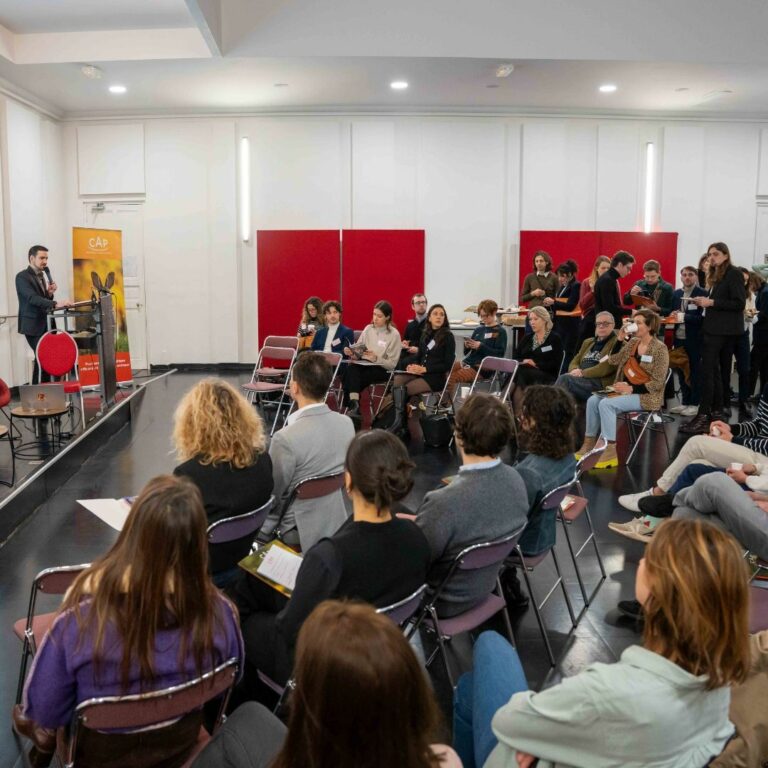
Wednesday, 5 February 2025, Convergence Animaux Politique (CAP) held its 17th meeting between NGOs and policymakers in Paris, entitled: “Non-Animal Methods: Towards Efficient, Competitive and Ethical Research.” Rarely addressed in public debate, animal experimentation raises ethical, scientific, and economic questions.
Every year in France, millions of animals are used in laboratories for biomedical, toxicological, or basic research purposes. According to the European Animal Research Association (EARA), France is the EU country using the most animals in research, ahead of Germany and Spain. Nearly 2 million animals are involved in experimental procedures each year. In addition, 2,1 million animals are bred for experimentation but ultimately not used. We are still far from a model in which animal use is the exception rather than the norm.
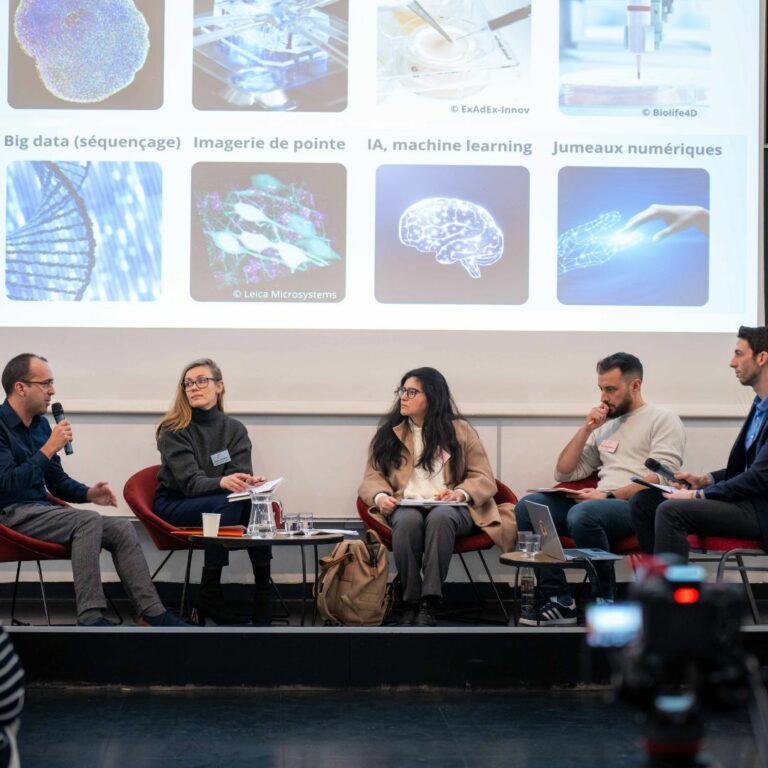
Yet, innovative technologies exist: organoids, advanced computer models, and 3D bioprinting open promising perspectives, not only to spare animal lives but also to improve the relevance and reliability of research. However, their adoption is hindered by cultural resistance, regulatory constraints, and a lack of dedicated funding. Policymakers have a crucial role to play in this shift, by promoting ambitious public policies in favour of non-animal methods (NAMs) and increasing funding for NAM-based research. According to Melvin Josse, CAP Director, “This evolution cannot happen without ongoing dialogue between scientists, NGOs, and institutions.”
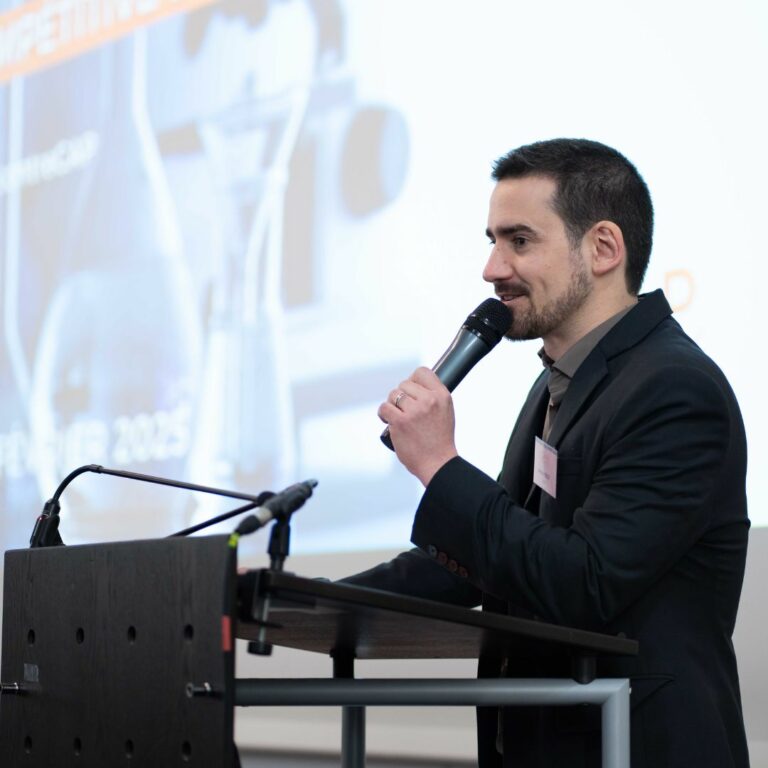
For the first time, CAP invited industry and scientific representatives to speak before Member’s of Parliament (MP), alongside its NGO partners, to provide a snapshot of current practices and explore alternatives that reconcile scientific progress, France’s competitiveness, and animal welfare.
Below you can find photos, a video summary of the event, and replays of the two roundtable discussions (in french).
Twenty MPs and local elected officials attended the two roundtable discussions organised to open the debate on this issue. Among them were MP Anne Stambach-Terrenoir (LFI); staff members of MPs Yannick Jadot (GEST), Charles Fournier (ECO), Marie-Noëlle Battistel (SOC) and Ersilia Soudais (LFI); staff members of Senators Samantha Cazebonne (RE) and Sophie Briante-Guillemont (RDSE); as well as local elected officials Eddine Ariztegui (PA) and Sandra Krief (PA), who are respectively responsible for animal welfare at the town halls of Montpellier and Grenoble. Other political figures were also present, including Ghalia Mercier, co-chair of the animal welfare group of La France Insoumise.

1) Non-Animal Methods: a Promising Field for Research and for France
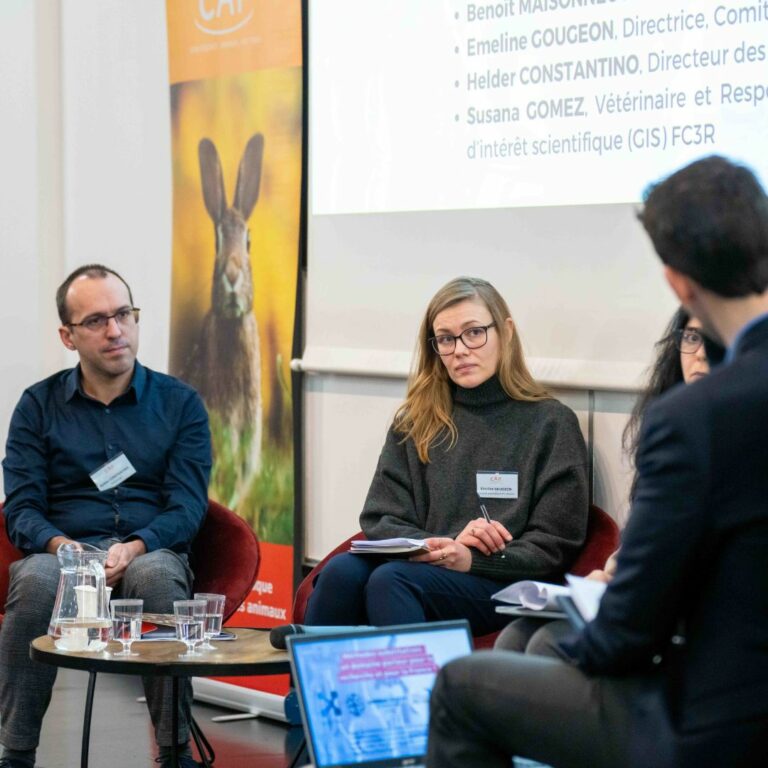
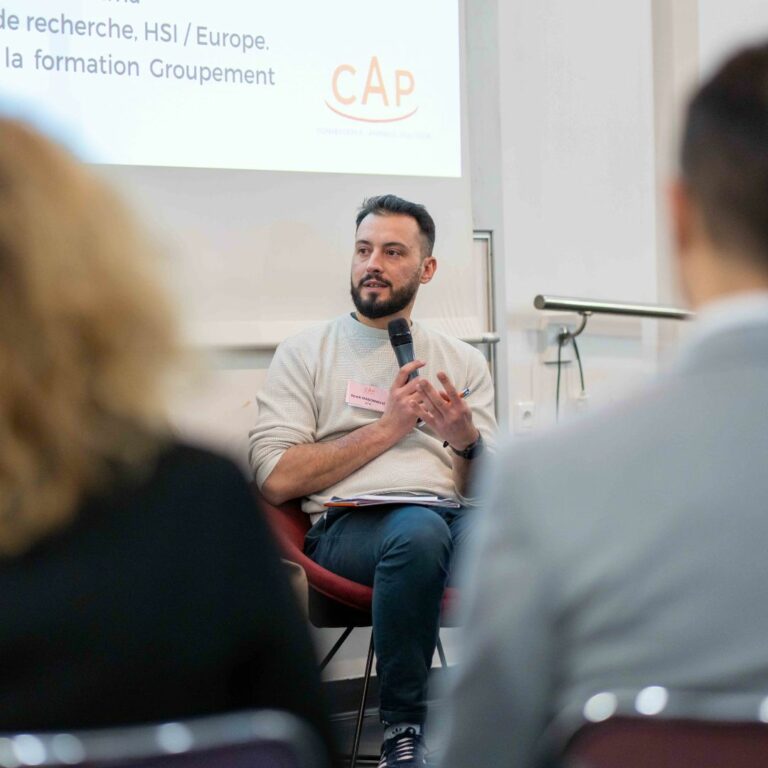
Moderated by Hugo Marro-Menotti, Legal and Advocacy Manager at CAP, the first roundtable provided an opportunity for the Comité Scientifique Pro Anima and Humane World for Animals Europe to raise the various ethical, health, and economic issues associated with the development of non-animal methods (NAMs). These arguments were further contextualised with the industrial expertise of NETRI and the scientific analysis of Susana Gomez, veterinarian and Training Manager at the FC3R,a public reference institution for the implementation of the 3Rs in France.
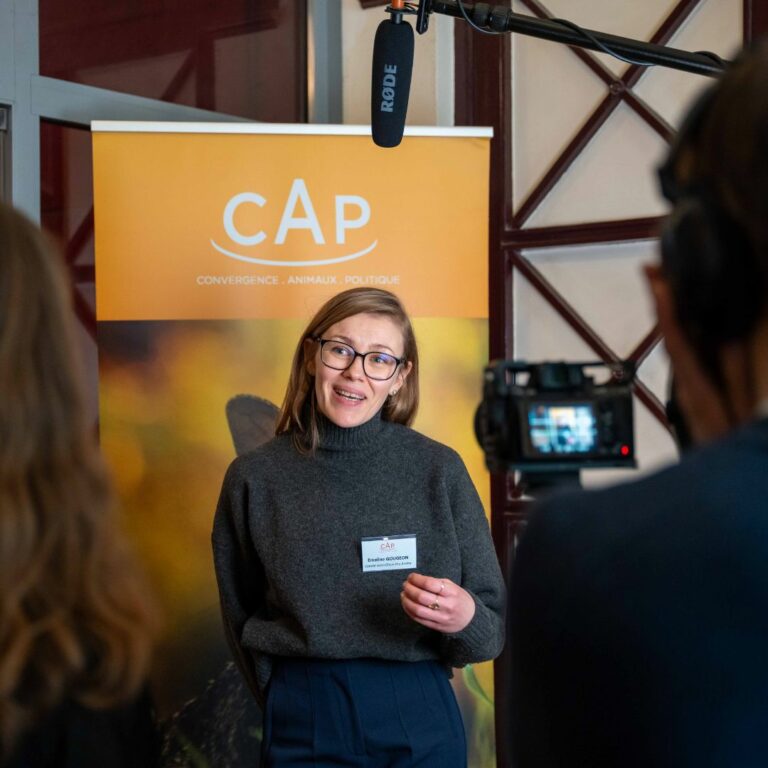
Emeline Gougeon, Administrator of the Comité Scientifique Pro Anima, first addressed the multiple scientific and economic limitations of animal experimentation. While nearly two million animals were used for scientific purposes in France in 2022, this heavy reliance on animal experimentation can hinder progress in certain areas of disease research, as highlighted by the European Commission. The animal model also lacks reliability, particularly for preclinical studies. Indeed, 80 to 99% of drugs tested and approved in animals are never marketed because they prove toxic or ineffective in humans. All these tests entail a very high scientific and economic cost (the development of a single drug can take 10 to 15 years and costs an average of USD 2.3 billion, according to a 2022 study by Deloitte).
Faced with these challenges, Pro Anima proposes the establishment of a joint fund, similar to that in the United States, which would enable the creation of a centre dedicated to the transition to non-animal research, designed on a national scale with a European reach.
Helder Constantino, Director of Research Policy for Humane World for Animals Europe, highlighted the considerable progress made in recent years in developing more ethical and effective models and technologies centred on human biology (microphysiological systems, in silico technologies, etc.) to address the growing public health challenges (54% of deaths in Europe are due to cardiovascular diseases and cancer). While the immense potential of these methods is now widely recognised, they are still not widely adopted and require support through strong public policies, as seen in the Netherlands.
In this regard, HWA Europe has put forward several proposals at both national and European levels, including:
The creation of a centre of excellence in the field of new methodological approaches (NAMs).
The development of national strategic guidelines, notably by identifying the public funding needs for infrastructure and research.
The stricter application of the “last resort” rule concerning the use of animals, in the context of the revision of the REACH regulation.
The intervention of Benoit Maisonneuve, Product Manager at the start-up NETRI, highlighted the practical challenges faced by industry players. NETRI offers organ-on-chip solutions and interoperable in vitro models designed to significantly accelerate drug discovery and preclinical testing by mimicking in vivo neuronal connectivity in the pharmaceutical and cosmetics sectors.
The main obstacle identified is the high cost of validation studies. Beyond funding these studies, sharing data on past clinical results by regulatory agencies is among the solutions identified to speed up the development of these innovations.
Benoit Maisonneuve also welcomed initiatives aimed at fostering collaboration between different stakeholders at the national level, notably the French industrial sector for organoids and organs-on-chips, which seeks to structure the ecosystem, engage in discussions with regulatory agencies, and secure funding streams to advance these technologies.
Finally, Susana Gomez spoke on behalf of GIS FC3R. Founded in 2021 at the request of the Ministry of Higher Education and Research, this grouping of public research operators aims to become the reference centre and contact point in France and Europe for all matters related to the 3Rs (Replace, Reduce, Refine). Its purpose is to promote collaboration between different stakeholders, support research involving animals for scientific purposes, and encourage alternative and innovative methods.
According to their recent survey of researchers, the main obstacles to changing models are the lack of funding, the lack of resource sharing, and, in third place, training in new models, as researchers are currently trained only in animal models.
Susana Gomez also highlighted that the GIS FC3R currently has only €1 million per year to support the French call for projects, whereas at least €10 million would be required to meet the funding needs of stakeholders in the sector.
2) Animal Experimentation: Current Situation and Future Perspectives
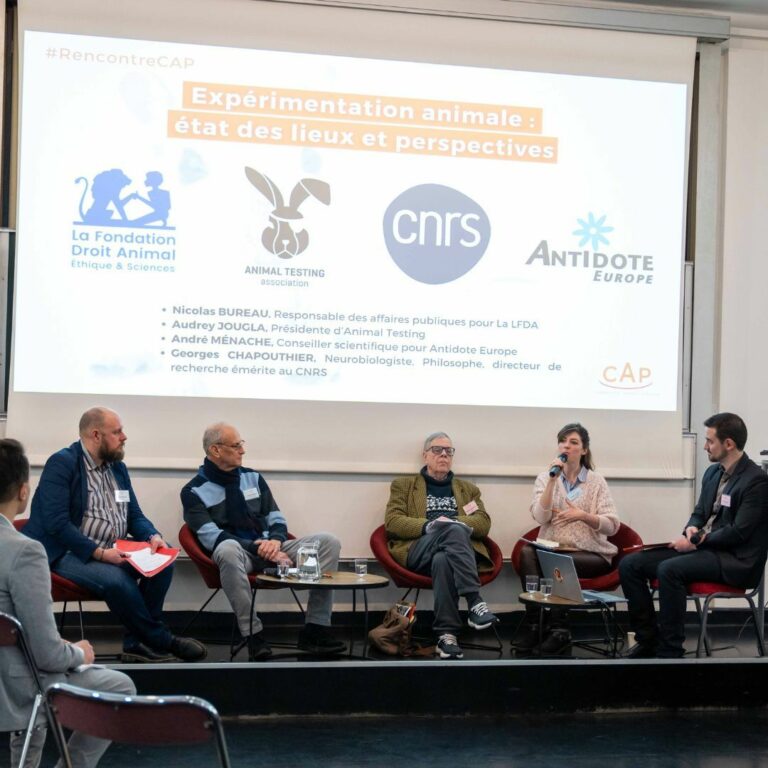
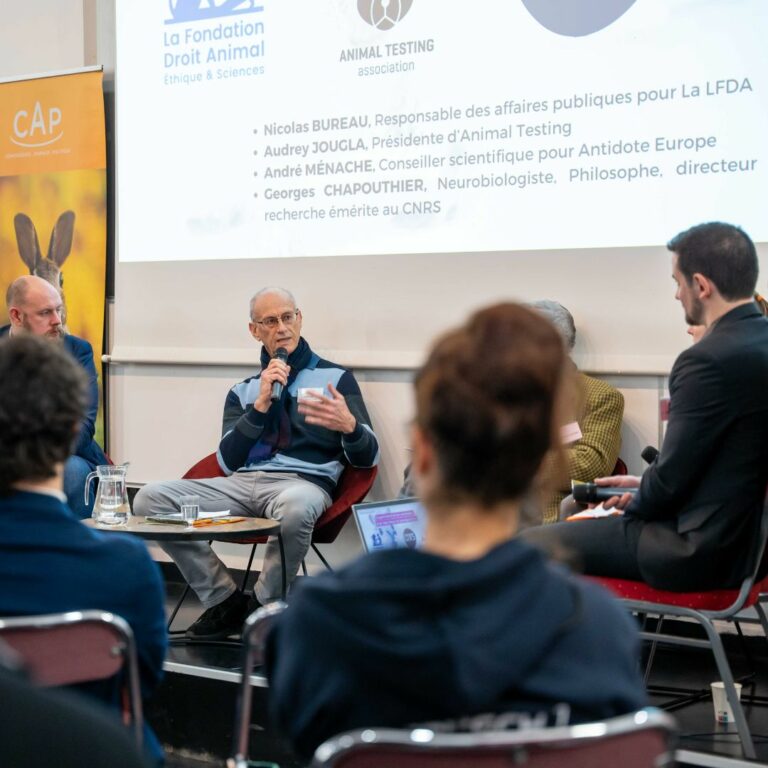
During the second roundtable, moderated by Melvin Josse, Director of CAP, Georges Chapoutier, neurobiologist, philosopher, and Emeritus Research Director at CNRS, was present alongside our NGO partners, Fondation Droit Animal Éthique & Sciences (LFDA), Animal Testing, and Antidote Europe, to review the current state of the sector in France and explore various possible courses of action.
For Nicolas Bureau, Public Affairs Manager at LFDA, many animal tests continue due to a lack of awareness of existing non-animal methods (NAMs). The 3Rs strategy should be implemented in the order Replace/Reduce/Refine, ensuring that replacement is genuinely impossible in certain cases based on current scientific knowledge (which itself needs to advance). According to him, the major problem remains the lack of allocated resources and the absence of a large-scale dissemination strategy, which hinders the discovery and adoption of NAMs. Acting now would allow France to become a global leader in innovative and animal-friendly research.
LFDA proposes several possible courses of action:
Targeted public funding, with a reallocation of resources to support innovative projects using NAMs and assist innovative startups.
The creation of training programmes for existing NAMs.
The establishment of a database compiling all validated NAMs, to be coordinated at the European level.
For Audrey Jougla, Founder and President of Animal Testing, the numerous publication biases faced by researchers lead to competitive pressures that discourage the sharing of negative results, which remain significantly underrepresented in the scientific literature. Animal Testing therefore proposes to generalise the sharing of negative results. Beyond substantially reducing the number of animals used in research, this initiative offers numerous scientific and economic benefits by avoiding the unnecessary duplication of experiments testing hypotheses that have already been disproven.
André Menache, Scientific Director at Antidote Europe, proposes the creation of a parliamentary inquiry commission (or an information mission) to thoroughly question the validity of the animal model and obtain recommendations to evolve legislation and regulation on the subject.
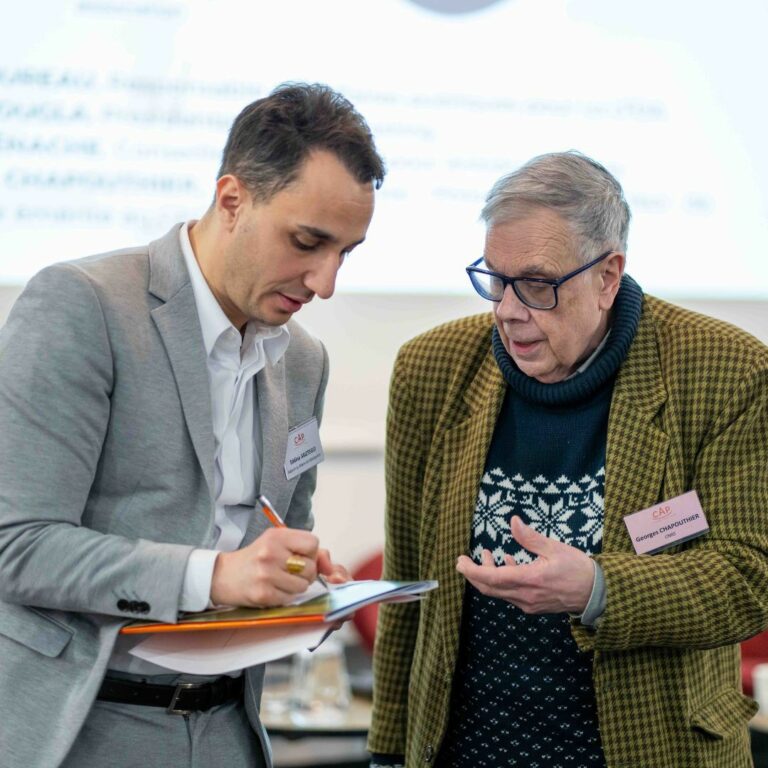
Finally, Georges Chapoutier, neurobiologist, philosopher, and Emeritus Research Director at CNRS, emphasised the need to integrate an ethical dimension into researcher training. Most researchers today do not realise that they are working with sentient animals, capable of feeling pain. The Cartesian perception of the animal as a machine remains deeply ingrained culturally. He notably recounted remarks heard in laboratories that illustrate the complete ignorance of animals’ fundamental needs: “No need to give the mice water on Saturday, since we are going to kill them on Monday.”
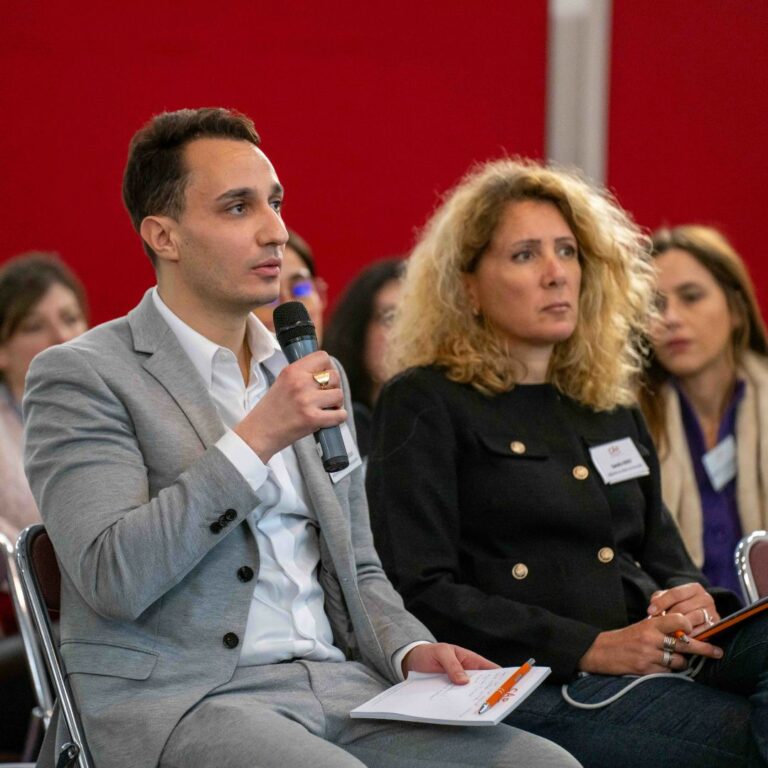
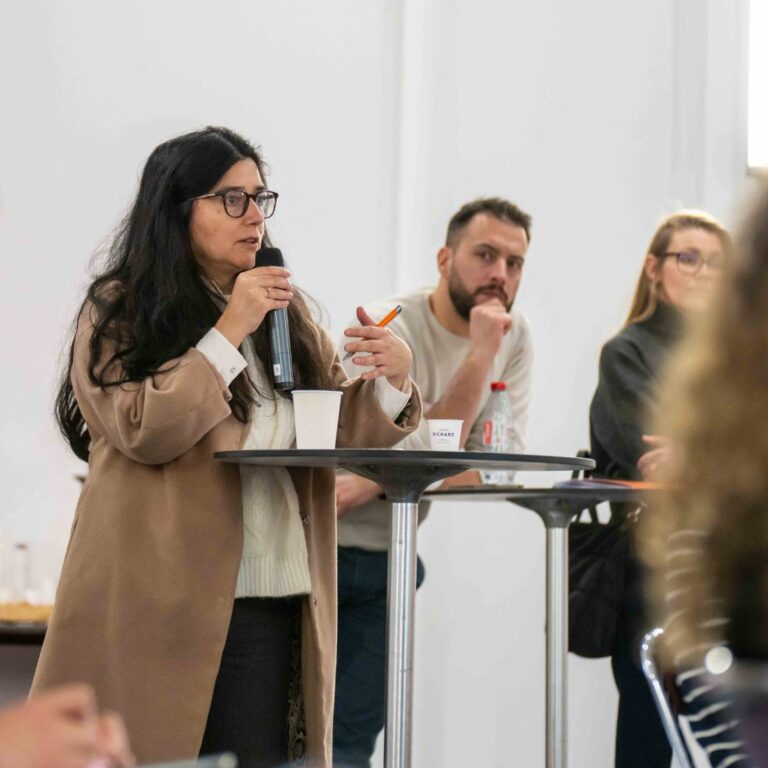
This CAP Meeting provided a space for debate and dialogue on animal experimentation. It paves the way for new legislative actions: bills, amendments, questions to the government, the creation of an inquiry commission, and more. Beyond the ethical issue, the development of non-animal methods (NAMs) is a scientific, health, and economic necessity for France and Europe.